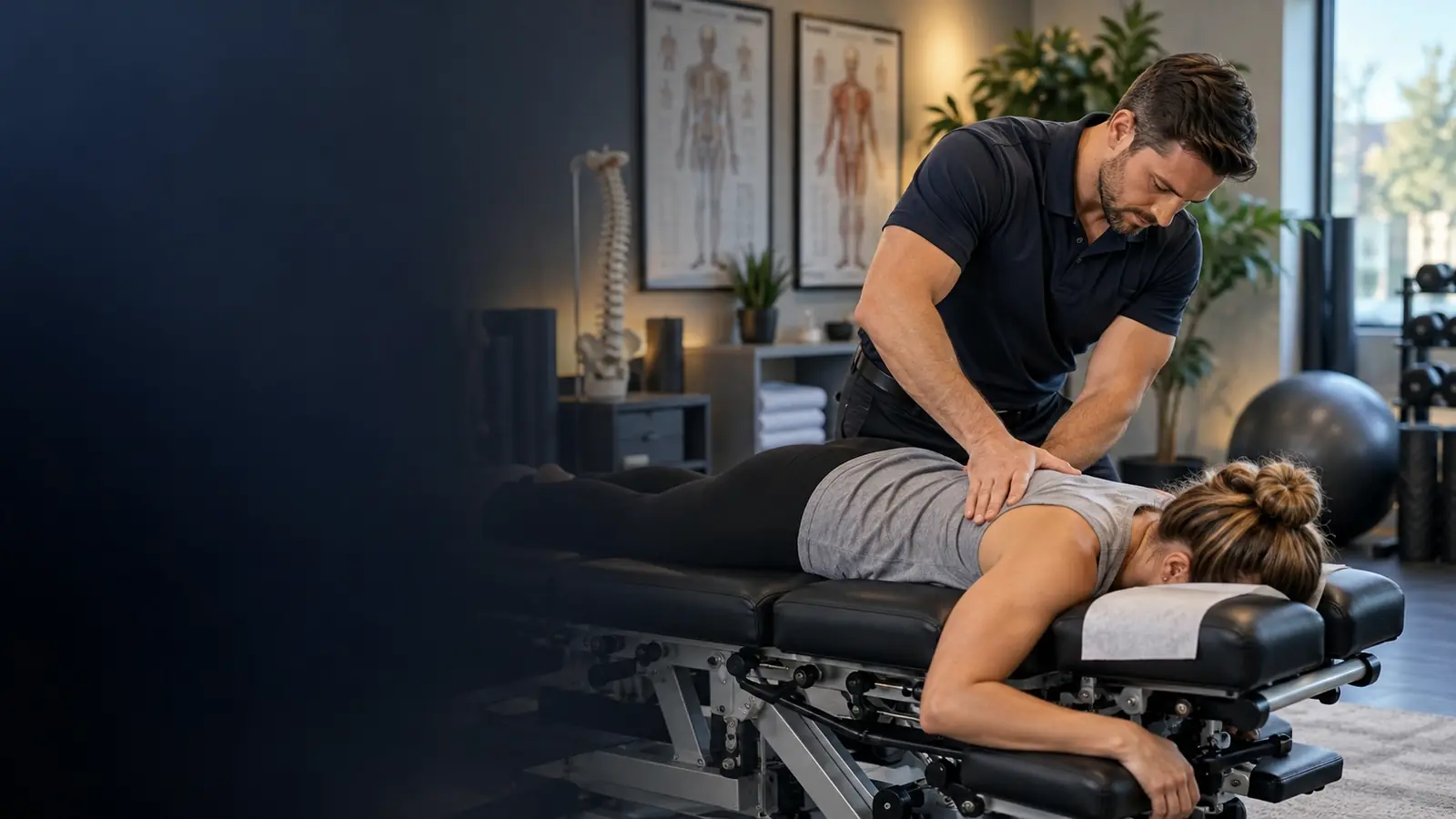
Chiropractors, Osteopaths & Physiotherapists
Finance for Chiropractic, Osteopathy & Physiotherapy Clinics
Built one patient at a time.
Ready for the next room.
Musculoskeletal clinics grow by adding treatment rooms, practitioners and sites. Each step needs equipment, fit-out and a few months of cash before the new capacity fills. We arrange the funding around how your clinic actually grows.
- Confidential, no-obligation discussion
- Access to 300+ lenders
- We are a broker, not a lender
“Finance that appeared unattainable was sorted within a short period of time.”
- Lender panel300+ lendersWhole-of-market search
- Instant QuotesNo credit searchSee indicative quotes first
- Who we helpChiropractic, osteopathy & physioSole traders, partnerships, LLPs and companies
- Our roleSpecialist brokerWe approach suitable lenders for you
Quick answer
What finance is available for chiropractic, osteopathy and physiotherapy clinics?
Chiropractic, osteopathy and physiotherapy clinics can fund treatment and rehabilitation equipment, clinic fit-out, a second site, setting up a first clinic, buying an established clinic, working capital and tax. Lenders look at patient demand, the self-pay and insured mix and the practitioners’ registration. We search the whole market for suitable lenders.
The pressures we see
What makes chiropractic, osteopathy & physio different.
- A second treatment room or a new site that has to be fitted out before it earns.
- Treatment tables, shockwave, laser and rehabilitation equipment that is expensive to buy outright.
- New associates who take months to build a full list.
- Income from self-pay patients and insurers, with quieter weeks over the holidays.
- Owners buying out a retiring principal or a business partner.
What we can finance
Funding for chiropractic, osteopathy & physio.
“From our first conversation to everything being completed took around 7 days, and they kept us informed throughout.”
- 01 Clinic Fit-out & Refurbishment Treatment rooms, reception and accessible facilities.
- 02 Treatment & Rehabilitation Equipment Tables, shockwave, laser, imaging and gym equipment.
- 03 Opening Another Clinic A second site, funded before it fills.
- 04 Setting Up Your Own Clinic Moving from associate to owner.
- 05 Clinic Acquisitions Buy an established clinic and its patient base.
- 06 Working Capital Carry new practitioners while their lists build.
- 07 Tax Funding Corporation tax and self-assessment bills, spread sensibly.
We aren't tied to one lender or product. For every need above, we search the market for lenders who understand chiropractic, osteopathy & physio.
We also arrange finance for
Finance of £25,000 or less for sole traders and small partnerships can be regulated consumer credit. We'll tell you at the outset if that applies to your firm.
Clinic funding questions answered
Do physiotherapy, chiropractic and osteopathy clinics need to register with CQC?
In England, a standalone clinic run by physiotherapists, chiropractors or osteopaths does not usually need to register with the Care Quality Commission. Treatment only falls within CQC’s scope when it is provided by a health care professional on the list in Schedule 1 of the 2014 Regulations, and that list does not include these three professions. Professional Practice Loans, a specialist whole-of-market broker, factors the regulatory position into the plan it puts to lenders.
The position changes when a doctor, nurse, radiographer or another listed professional joins the team, or when the clinic adds diagnostic and screening procedures or surgical procedures, which are regulated activities in their own right. CQC’s guidance on treatment of disease, disorder or injury explains where the line falls. Clinics in Wales and Scotland follow Healthcare Inspectorate Wales and Healthcare Improvement Scotland rules instead.
Lenders ask because registration affects the timetable and cost of opening or expanding. Each practitioner’s own registration with the HCPC, the General Chiropractic Council or the General Osteopathic Council is checked either way. If you plan a multi-disciplinary clinic with a GP or nurse, build the time for CQC registration into the funding plan. New practice finance and practice expansion finance explain how a first or second clinic is funded.
Can I get finance to add a rehab gym or Pilates studio to my clinic?
Yes. Reformer beds, rehabilitation gym equipment, shockwave and laser units can be funded on hire purchase or leasing over their working life, while flooring, mirrors, ventilation and partition walls suit a business loan or fit-out finance. Lenders want to know who will run the classes or sessions, how they will be priced and booked, and whether your lease allows the new use.
- Demand. Patients already asking for supervised rehab or classes, and the referrers who would send more.
- Staffing. Who will teach or supervise, and whether they hold the right instructor qualification or professional registration.
- The space. Floor loading, ceiling height, sound between rooms and the landlord’s consent for alterations.
- The kit. Itemised quotes, and whether shockwave or laser units are new, demonstration or used.
See practice equipment finance and fit-out finance, or get instant quotes for the equipment you have in mind.
Planning something else? Get instant quotes for your clinic, or read how it works.
Acquisitions & ownership
Buying an established clinic?
An established clinic brings its patients, its practitioners and its reputation. Lenders will look at how much of that transfers with the sale, especially where the seller treats many of the patients personally. We help structure the price, any deferred terms and the working capital you'll need afterwards.
How finance works here
Clinics are judged on patient demand, not just assets.
Chiropractors, osteopaths and physiotherapists are regulated as individuals, by the General Chiropractic Council, the General Osteopathic Council and the Health and Care Professions Council, while the clinic itself is usually a limited company, partnership or sole trader business. Lenders look at both: the practitioners’ registration and record, and the clinic’s accounts, patient numbers and how income is split between self-pay and insured patients.
Most borrowing in this sector funds growth: an extra treatment room, a new site, specialist equipment or the purchase of a retiring principal’s clinic. Equipment is often best funded over its working life through hire purchase or leasing, while fit-out and working capital usually suit a business loan.
If you’re moving from associate to owner, our starting a practice journey explains what lenders expect from a first clinic, and our guide to buying a professional practice covers acquisitions.
Preparing the case
What lenders will look at.
- Recent accounts and management figures, or a plan for a new clinic
- Patient numbers and the self-pay and insured mix
- Practitioners’ registration with their regulator
- Quotes for equipment or fit-out, and the lease for any new premises
- Existing borrowing and finance agreements
We are a broker, not a lender. We help you pull this together, search the market for lenders whose criteria suit your practice and manage the process to completion. How it works →
Specialist understanding
Finance for Chiropractic, Osteopathy & Physiotherapy Clinics
Finance for chiropractors, osteopaths and physiotherapists usually funds growth: fitting out a treatment room or a new clinic, buying treatment and rehabilitation equipment, carrying new practitioners while their lists build, or buying an established clinic. Chiropractor loans and physiotherapy clinic finance can be arranged as equipment finance, a business loan or an unsecured practice loan, depending on the purpose. Lenders look at patient demand, the self-pay and insured mix, the practitioners’ registration and the clinic’s accounts. As a whole-of-market broker we search the market for lenders who understand independent clinics. Larger multi-disciplinary and consultant-led clinics are covered under private healthcare finance.
Get Instant Quotes- Access to 300+ lendersHigh street banks, specialist and private lenders.
- Specialist understandingLenders who understand how practices earn and grow.
- Your case, properly presentedStructured and put to lenders suited to it.
- With you to completionFrom the first conversation to funds arriving.
Questions
What chiropractic, osteopathy & physio usually ask.
How do I buy a physiotherapy practice in the UK?
Agree the price and what transfers, including patients, practitioners, equipment and the lease, then arrange funding alongside the legal work. Lenders look at the clinic’s accounts, patient numbers, the self-pay and insured mix and whether the seller treats many of the patients personally. See practice acquisition finance and our guide to buying a professional practice.
Can a physiotherapist or chiropractor get a business loan?
Yes, for fit-out, equipment, a new site, buying a clinic, working capital or tax. Borrowing of £25,000 or less by sole traders and small partnerships can be regulated consumer credit, and we will say at the outset if that applies. You can get instant quotes to compare options.
Can I get finance to open my first clinic?
Yes, although lenders put more weight on your experience, the business plan and your own contribution where there is no trading history. See new practice finance.
Do physiotherapy, chiropractic and osteopathy clinics need to register with CQC?
In England, a standalone clinic run by physiotherapists, chiropractors or osteopaths does not usually need to register with CQC, because these professions are not on the list of health care professionals that brings treatment into scope. Registration can become necessary if a doctor, nurse, radiographer or other listed professional joins, or if the clinic adds diagnostic and screening or surgical procedures. Clinics in Wales and Scotland follow their own regulators.
Does CQC registration affect clinic finance?
Yes, through the timetable and costs. Where a clinic needs to register, lenders want the application planned into the opening date, and they check each practitioner’s registration with the HCPC, the General Chiropractic Council or the General Osteopathic Council in every case. See new practice finance.
Can I get finance to add a rehab gym or Pilates studio to my clinic?
Yes. Reformer beds and rehabilitation equipment can be funded on hire purchase or leasing, and flooring, ventilation and partition work on a business loan or fit-out finance. Lenders look at demand from patients and referrers, who will teach or supervise, the space and lease consent, and itemised quotes. See practice equipment finance.
Can a clinic finance shockwave or laser therapy equipment?
Yes. Shockwave and laser units are usually funded on hire purchase or a lease over their working life, new, demonstration or used. Lenders want an itemised quote and a view of how many sessions will cover the repayment. You can get instant quotes to compare options.
By location
Chiropractic, osteopathy & physio in London.
Let's talk
Talk it through
with a specialist.
Before you approach a lender, speak to someone who understands the transaction. Confidential, no-obligation initial discussion.
Finance of £25,000 or less for sole traders and small partnerships can be regulated consumer credit. We'll tell you at the outset if that applies to your firm.